

As indispensable equipment in sports such as badminton and tennis, grip tapes not only enhance the comfort of holding the racket but also play a crucial role in ensuring the effective execution of techniques. However, many customers often overlook the impact of weather on the performance of grip tapes. In fact, environmental factors such as humidity, temperature, and light directly alter the friction, sweat absorption, and durability of grip tapes, thereby affecting shot stability and sports safety. How can one scientifically use grip tapes under different weather conditions? This requires targeted adjustments based on climatic characteristics and sports needs.
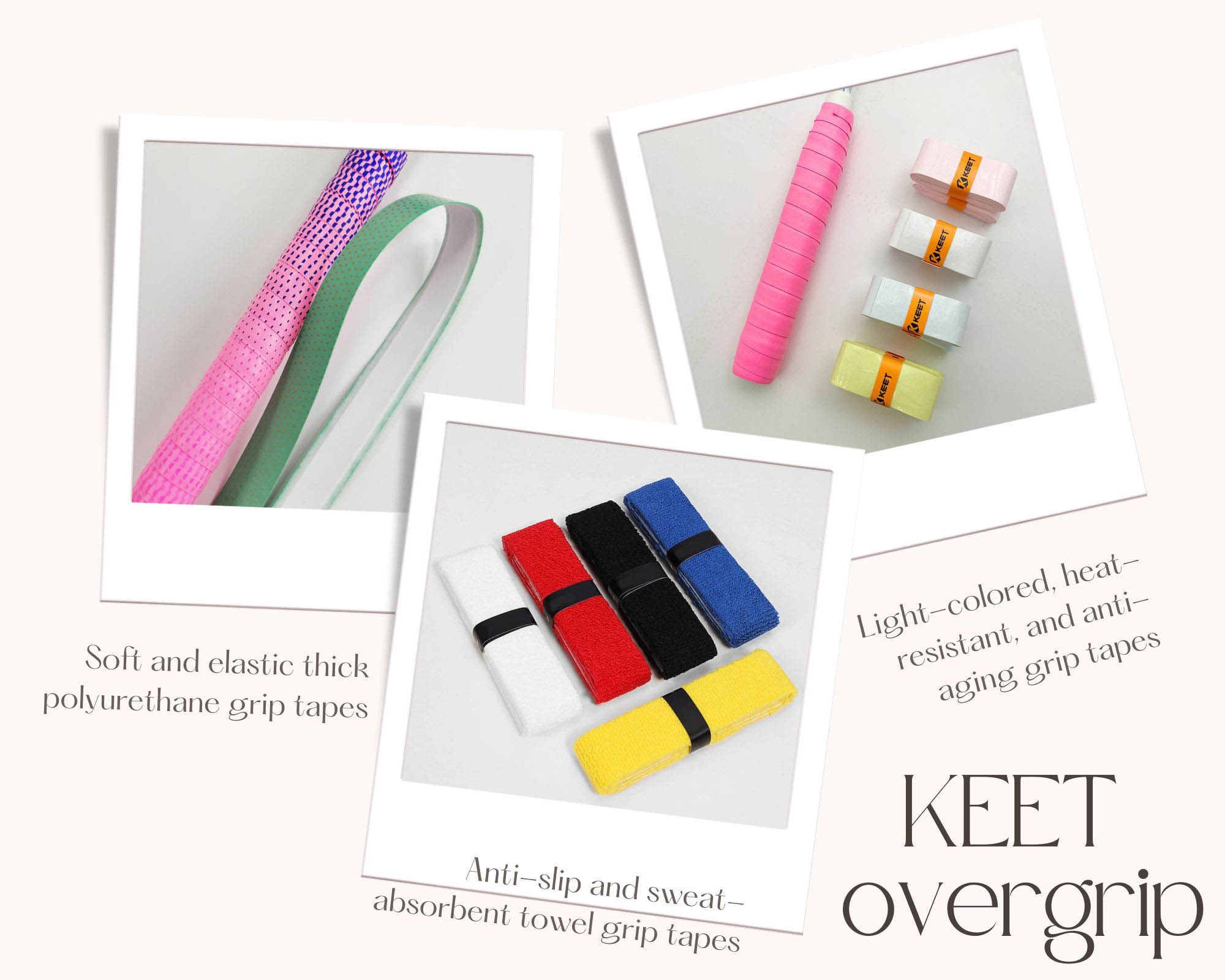
1. Anti-slip and sweat-absorbent towel grip tapes
Hot and humid weather is the natural nemesis of grip tapes. In the damp and hot environment of the rainy season or summer, moisture in the air quickly permeates the surface of grip tapes, making them sticky and slippery. If ordinary polyurethane grip tapes are used in such conditions, their friction significantly decreases after absorbing sweat, potentially leading to the racket slipping out of hand due to sliding. Therefore, many people opt for towel grip tapes with stronger anti-slip properties in such weather, as their fibrous structure can rapidly absorb sweat and keep the surface dry, making them the right choice in this scenario.
2. Soft and elastic thick polyurethane grip tapes
Dry and cold environments pose different challenges to grip tapes. Low temperatures in winter can harden grip tapes and reduce their elasticity, causing finger fatigue when holding the racket. Meanwhile, dry air accelerates skin moisture loss, making hands dry and rough, which in turn increases friction resistance against grip tapes. Prolonged use may result in blisters or abrasions on the palms. In such cases, grip tapes with good elasticity and moderate thickness, such as thickened polyurethane grip tapes, should be prioritized. Their soft texture can alleviate the stiffness caused by low temperatures. Additionally, sufficient warm-up before winter sports can improve hand blood circulation and reduce the performance degradation of grip tapes due to low temperatures.
3. Light-colored, heat-resistant, and anti-aging grip tapes
The combination of intense light and high temperatures is common in outdoor sports during summer. In such conditions, grip tapes must not only cope with humidity but also withstand the dual challenges of ultraviolet rays and high temperatures. Prolonged exposure to sunlight can cause grip tapes to age on the surface, leading to cracking, fading, and a sharp decrease in friction. In such weather, light-colored grip tapes are more heat-resistant than dark-colored ones because they better reflect sunlight and slow down the aging of materials. If sports must be conducted under the scorching sun, it is recommended to check the condition of grip tapes every 30 minutes and replace them immediately if the edges curl or the surface becomes shiny. After sports, rackets should be stored in a cool place to prevent grip tapes from deforming due to direct sunlight.
The impact of weather on grip tapes goes far beyond surface experience; it directly relates to sports performance and health safety. From anti-slip treatments in humid environments to maintaining elasticity in dry seasons and resisting aging under scorching sunlight, every detail tests the professionalism of athletes. When choosing grip tapes, one should not only focus on color or brand but also consider local climatic characteristics and personal sports habits comprehensively. After all, even the most exquisite techniques rely on reliable equipment support, and scientific use of grip tapes is the most fundamental respect for sports quality.
Please Read On, Stay Posted, Subscribe, And We Welcome You To Tell Us What You Think.
Connect With Us


Copyright @2024 Xiamen Keet Sports Technology Co., Ltd. All Rights Reserved. Sitemap/Blog/Xml/Privacy Policy  Network Supported