Custom matte pickleball grip tape
Home

Blog

Blog

  • How should beginners choose first overgrip? This article has got you covered!
    How should beginners choose first overgrip? This article has got you covered! Feb 28, 2026
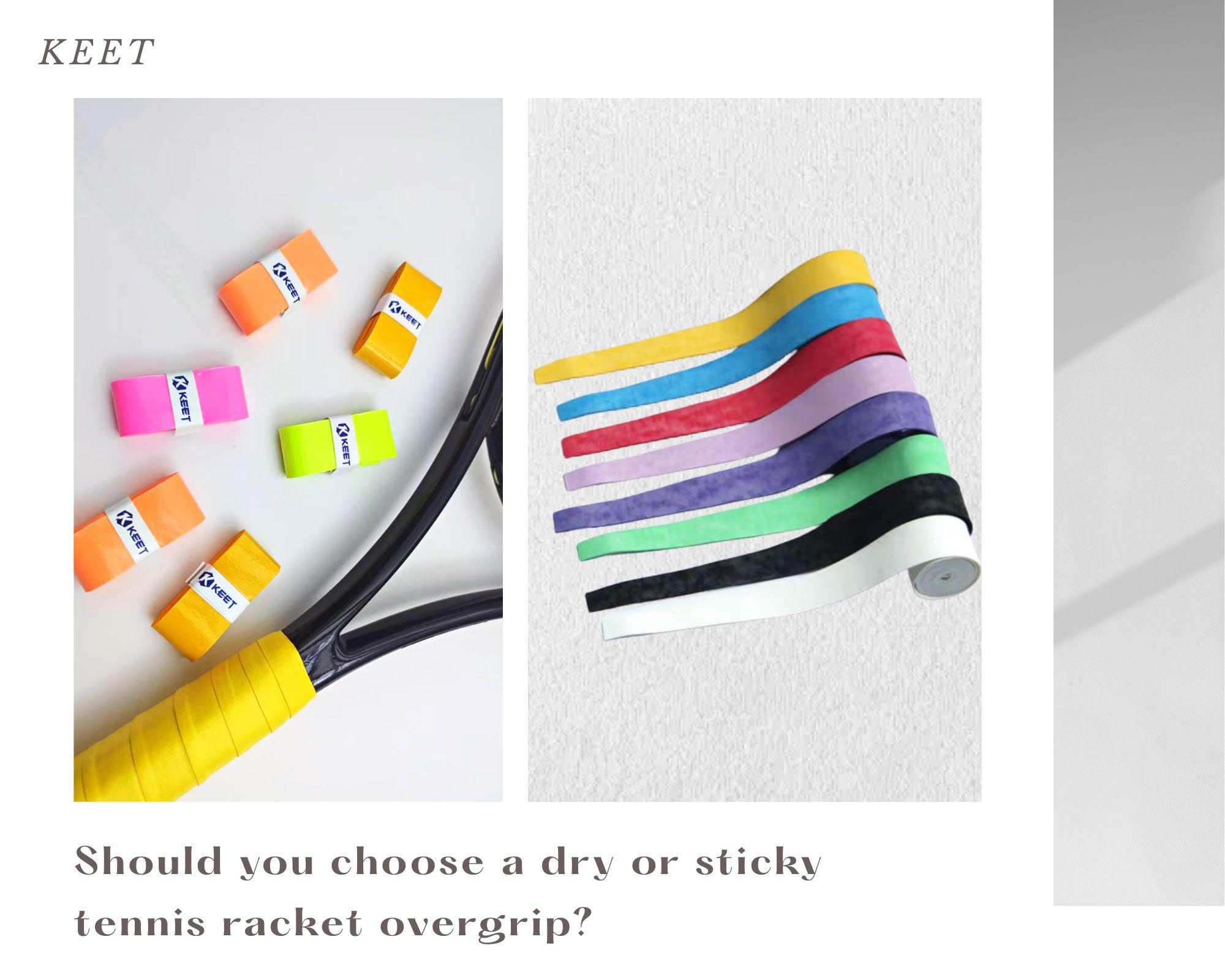
    For beginners who have just stepped into the realm of ball sports such as badminton and tennis, choosing a suitable overgrip is like embarking on a mysterious adventure. Faced with a wide array of overgrip products on the market, they often feel at a loss as to where to start. Don't worry, the following will provide a detailed introduction to the key points for beginners when choosing their first overgrip. I. Understanding overgrip types Overgrips mainly fall into two categories: towel overgrips and PU overgrips. As the name suggests, towel overgrips have a surface material similar to that of a towel, offering a soft and thick tactile feel. This type of overgrip has an extremely strong sweat-absorbing capacity. When you are drenched in sweat during exercise, it can quickly absorb the sweat on your hands, keeping them dry and enabling you to hold the racket more steadily. However, towel overgrips also have some minor drawbacks. They are relatively prone to trapping dirt and grime, require frequent replacement, and have a relatively short service life. PU is another common type of overgrip. It has a smooth surface and a relatively thin texture. PU overgrips boast excellent anti-slip performance. Even when there isn't a lot of sweat on your hands, they can still provide good friction to ensure that you hold the racket firmly. Moreover, PU overgrips are relatively durable, not easily worn out, and are convenient to clean. A simple wipe with a damp cloth can restore them to a clean state. However, their sweat-absorbing capacity is slightly weaker compared to that of towel overgrips. II. Selecting overgrips based on the sport Different ball sports have varying requirements for overgrips. Taking badminton as an example, badminton involves frequent racket swinging and directional changes, demanding high stability and flexibility in racket holding. If your playing style is aggressive and you often perform powerful smashes and other moves, then towel overgrips may be more suitable for you. The powerful sweat-absorbing ability of towel overgrips can prevent your hands from slipping due to sweating, allowing you to hold the racket firmly even when hitting the ball with great force. On the other hand, if your playing style is more delicate, focusing on ball control and skills, PU overgrips may be a better choice. The good anti-slip performance and thin texture of PU overgrips enable you to more precisely sense the feedback from the racket, facilitating delicate ball control operations. For tennis, tennis rackets are relatively heavier, and the force applied during racket swinging is greater. If you frequently engage in long-duration training sessions or matches and your hands tend to sweat easily, towel overgrips can provide better sweat-absorbing protection, reducing the chances of mistakes caused by slipping. However, if you place more emphasis on a light and flexible feel, the thin and light characteristics of PU overgrips will make your racket swinging more effortless. III. Paying attention to overgrip thickness The thickness of an overgrip can also affect the user experience. Thicker overgrips offer better cushioning effects, reducing the impact force on your hands when holding the racket. They are suitable for beginners with relatively weak hand strength or those who are concerned about hand fatigue during long-duration exercise. Moreover, thick overgrips can, to a certain extent, fill the gap between the hand and the racket, making the grip more substantial. However, thick overgrips may increase the overall weight of the racket, affecting the speed and flexibility of racket swinging. In contrast, thinner overgrips allow the racket to maintain a relatively light weight, enabling faster and more flexible racket swinging. They are suitable for beginners who pursue speed and agility. However, thin overgrips have relatively poor cushioning effects, and your hands may feel more fatigued. Although choosing the first overgrip can be a bit challenging for beginners, as long as they understand the types of overgrips, select suitable overgrips based on the sport, and pay attention to the thickness of overgrips, they are sure to find an overgrip that satisfies them and embark on a pleasant sports journey.
  • Is it better for the baseball anti-slip grip tape to have a stronger grainy texture?
    Is it better for the baseball anti-slip grip tape to have a stronger grainy texture? Feb 26, 2026
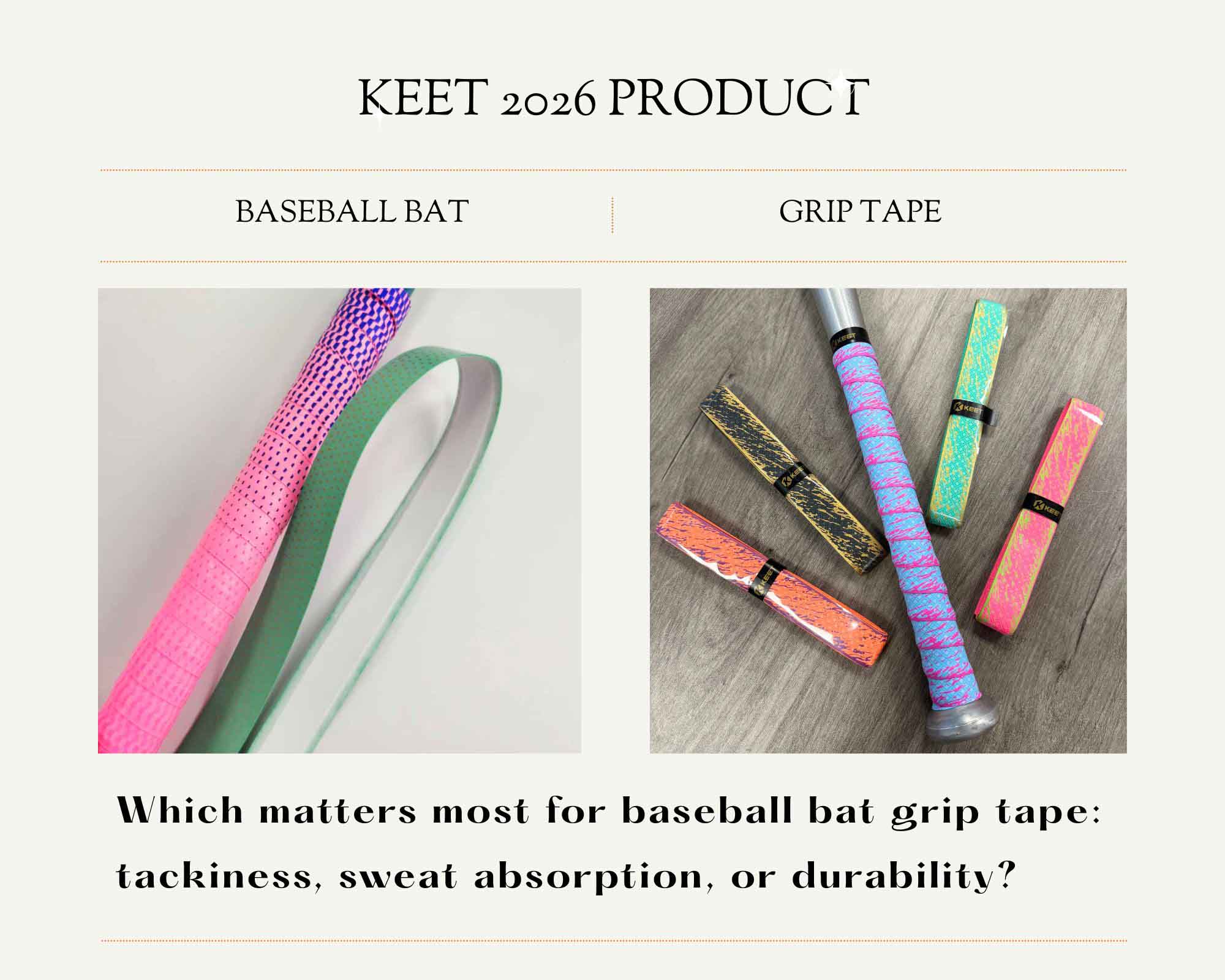
    In baseball, anti-slip grip tape serve as the final connection between players and their bats. Whether it's a pitcher's precise control over ball spin or a batter's explosive swing, the grip tape anti-slip performance directly influences technical execution. As one of the core characteristics of grip tape, grainy texture is often seen as a direct reflection of anti-slip capability—the more prominent the grains, the stronger the friction, and the more secure the hold seems to be. But is this really the case? Does a strong grainy texture conflict with tactile comfort? How can a balance be struck between the two? I. The Role of Grainy Texture: A "physical enhancement" for anti-slip performance. The grain design of anti-slip grip tape essentially enhances friction by increasing the roughness of the contact surface. When the palm makes contact with the bat, the grains can embed into skin crevices or glove fibers, creating a locking effect that reduces slippage caused by sweating or rapid swinging. This is particularly crucial in humid environments or high-intensity games, where grip tape with a strong grainy texture significantly lower the risk of the bat slipping out of hand. However, a stronger grainy texture is not always better. Excessively prominent grains introduce two issues: first, prolonged use may lead to palm blisters or thickened calluses, impairing tactile sensitivity; second, a rough surface may reduce the "snug fit" of the grip, acting as a distraction in scenarios requiring delicate control. II. Tactile Comfort: The overlooked "hidden need". Tactile comfort is an often-underestimated aspect of grip performance, involving two key dimensions: the fit between the palm and the grip, and fatigue after prolonged use. Fit depends on the grip ttape material softness and grain distribution density. A softer material better conforms to the palm's curves, while evenly distributed fine grains provide anti-slip properties without creating excessive local pressure. Fatigue, on the other hand, is related to the grip tape resilience. A grip tape with a strong grainy texture but a stiff material increases the burden on hand muscles, leading to palm soreness from overexertion, especially after consecutive pitches or swings. In contrast, a more elastic grip tape disperses pressure through deformation, reducing fatigue even with moderate graininess while maintaining anti-slip performance. III. The Path to Balance: Choosing based on context and needs. The key to balancing grainy texture and comfort lies in clarifying usage scenarios and personal requirements. Since swinging requires full-body coordination, grip comfort directly affects the smoothness of power delivery. Many batters prefer grip tape with finer grains and softer materials. Environmental factors also matter. In humid or sweaty summers, grip tape with a strong grainy texture better handle perspiration; in dry or cold conditions, excessive graininess may worsen friction discomfort due to dry skin. In such cases, grip tape with sweat-absorbing channels or breathable holes can balance anti-slip properties and airflow through structural design. The grainy texture of baseball anti-slip grip tape is not inherently "the stronger, the better." Its "ideal value" depends on a player's position, technical style, usage environment, and even personal preferences. Professional athletes may customize grip tape to meet their needs, while amateur players can find their optimal balance by experimenting with different brands and models. At its core, a grip tape is an extension of the bat, designed to make players forget its existence. When the palm and bat become one, technical movements flow naturally, and anti-slip performance and comfort cease to be opposing choices, instead becoming silent partners in the pursuit of victory.
  • Why does grip tape harden over time? What is its actual lifespan?
    Why does grip tape harden over time? What is its actual lifespan? Feb 09, 2026
    The lifespan of grip tape for badminton or tennis rackets is never a one-size-fits-all answer—high-intensity athletes may need replacements after a single match, while casual players could use the same tape for months. This disparity stems from a complex interplay of material properties, environmental conditions, and individual habits, with "hardening" serving as the critical signal that a grip tape is nearing the end of its service life. Hardening: The chemical code of grip tape aging. The core reason grip tape hardens lies in the loss of internal plasticizers and oxidation of the rubber base. Take PU material as an example: when exposed to high temperatures, UV radiation, or salts in sweat over extended periods, plasticizers evaporate faster, causing molecular chains to stiffen gradually. Experimental data shows that grip tape stored at 35°C for 24 hours experiences a 40% drop in tensile strength and a 25% increase in hardness, transforming from pliable to brittle, with peeling or cracking possible. Tennis grip tapes typically harden faster than badminton ones due to higher plasticizer content in their formulations, which evaporates more readily in dry environments—explaining why tennis grip tapes generally have a 1-2 month shorter shelf life than badminton grip tapes. The Triple Variables of Lifespan: Material, environment, and usage intensity. First, material acts as the genetic factor determining grip tape lifespan. Towel grip tapes, with their fibrous structure prone to trapping dirt, accelerate rubber aging through acidic byproducts from bacterial decomposition, lasting only about one-third as long as PU grip tapes. Keel grip tapes, designed with raised surfaces for enhanced friction, suffer faster sweat penetration and shorter lifespans. Second, environmental factors serve as invisible killers. High temperatures and UV radiation accelerate aging. Laboratory tests reveal that leaving grip tape in a car trunk at summer temperatures for two hours can spike its hardness from 50 Shore A to 75 Shore A, rendering it completely inelastic. Humid conditions promote mold growth, also contributing to degradation. Professional athletes' equipment manuals explicitly require storing badminton grip tapes at 50%-60% humidity and tennis grip tapes at 60%-70%. Finally, usage intensity directly dictates consumption rate. High-intensity athletes executing frequent smashes and rapid swings generate over 10 times more friction between grip tape and racket handle compared to casual players. Data shows professional badminton players exceed 2,000 friction cycles per match, while amateur players log only about 500 weekly training cycles. This difference results in professional athletes replacing grip tapes within three days, whereas amateurs can extend usage to 2-4 weeks with proper care. Grip Tape Maintenance: Scientific care to extend lifespan. The key to prolonging grip tape lifespan lies in controlling variables. After use, immediately wipe sweat residue with a dry towel to prevent salt corrosion; store away from heat and sunlight, preferably in sealed bags with desiccants; maintain moderate tension when wrapping—over-tightening accelerates wear while under-tightening causes slippage. Determining replacement timing requires evaluating multiple indicators. Replace grip tape immediately—even before reaching theoretical lifespan—if it shows fuzzing, loss of tackiness, noticeable odors, or thickness reduction exceeding 20%. Professional athletes share this tip: wrap the tape around a finger—if it slides more than 1 cm effortlessly, grip performance has severely declined, necessitating replacement. From laboratory data to on-court practice, the secrets of grip tape lifespan have been decoded. More than just equipment, grip tape serves as the medium through which athletes communicate with their gear. By heeding the "hardening signals," players ensure every swing maintains peak performance.
  • What are the differences between the tennis overgrips and badminton overgrips?
    What are the differences between the tennis overgrips and badminton overgrips? Feb 05, 2026
    In tennis and badminton, overgrips serve as the "second skin" connecting players to their rackets, with design variations directly influencing athletic performance and experience. While both fulfill fundamental functions such as anti-slip, sweat absorption, and shock absorption, differences in sports characteristics, racket structures, and force application methods result in notable distinctions in material, thickness, and application scenarios between tennis and badminton overgrips. 1.Material Selection: Durability vs. Sweat Absorption Tennis overgrips predominantly feature polyurethane (PU) or composite fibers, materials known for their high abrasion resistance, capable of withstanding friction on clay courts, impacts from high-pressure shots, and frequent racket frame scratches. For instance, professional tennis overgrips offer superior durability and significantly longer lifespans compared to badminton overgrips, while also better cushioning shot vibrations to protect wrist joints. Badminton overgrips prioritize sweat absorption, with a trend toward material diversification. Perforated PU overgrips enhance breathability, keeping palms dry during rapid swings; towel overgrips centered on pure cotton fabrics, absorb over three times their weight in sweat but have weaker durability, requiring replacement every 4-5 games; keel overgrips increase friction through built-in ridges, commonly used by beginners or those with minimal hand sweat, though potentially compromising tactile sensitivity. 2.Thickness Design: Cushioning Needs vs. Operational Precision Tennis overgrips are thicker. Tennis racket handles are generally thicker and longer, necessitating thicker overgrips for support. Standard tennis overgrips measure 0.6-0.8 millimeters in thickness, a design that disperses impact forces during shots, reduces wrist fatigue, and accommodates wide-arc swinging motions. Badminton overgrips adhere to a "thin" core philosophy, with thickness typically controlled at 0.5-0.6 millimeters. Ultra-thin designs reduce handle weight, enhancing swing speed, particularly suited for grip styles requiring rapid forehand-backhand transitions. Professional players may further refine handle thickness by wrapping multiple thin layers or removing the inner grip, pursuing ultimate ball control. 3.Scenario Adaptation: Tennis vs. Badminton Tennis characterized by long-distance running and high-pressure shots, demands overgrips that balance durability and shock absorption. For example, hard court players tend to choose highly abrasion-resistant PU overgrips, while clay court players may opt for rougher-surfaced overgrips to enhance friction. Additionally, tennis overgrips often feature widened securing tapes at the base to prevent loosening during vigorous swings. Badminton emphasizes rapid reactions and agile maneuvering, requiring overgrips that balance sweat absorption and lightweight design. For instance, singles players may select ultra-thin, sticky overgrips to improve ball control precision, while doubles players prefer towel overgrips to address hand sweat issues during intense rallies. Furthermore, badminton overgrips frequently employ gradient-thinning edge processes to avoid overly thick wrapping that could affect net shot touch. Although tennis and badminton overgrips share similar lengths, interchanging them has limitations. Applying a tennis overgrip to a badminton racket thickens the handle, impairing forehand-backhand transition flexibility; using a badminton overgrip on a tennis racket may reduce abrasion resistance due to insufficient thickness, increasing replacement frequency. From material selection to craftsmanship design, the differences between tennis and badminton overgrips fundamentally reflect the sports' unique characteristics. Tennis overgrips adopt a "thick, durable, stable" approach to withstand high-intensity impacts, while badminton overgrips pursue "thin, absorbent, sensitive" qualities for ultimate control. For enthusiasts, understanding these differences not only aids in selecting appropriate equipment but also allows for fine-tuning overgrips to optimize performance and enjoy the pleasures of technical refinement.
  • PU Grip Tape VS Towel Grip Tape: Which material is better suited for humid weather?
    PU Grip Tape VS Towel Grip Tape: Which material is better suited for humid weather? Feb 03, 2026
    In humid weather, the anti-slip performance of a badminton racket handle directly affects shot accuracy and athletic safety. When the combined effects of hand perspiration and air moisture come into play, the choice of grip tape material becomes crucial. As mainstream options, PU grip tapes and towel grip tapes exhibit significant differences in sweat absorption, durability, tactile feedback, and other aspects. This article provides a comparative analysis from three perspectives—material properties, real-world performance, and applicable scenarios—to offer a scientific basis for selecting grip tapes in humid weather. I. PU Grip Tape: The balancer of anti-slip and durability PU grip tapes are primarily made of polyurethane (PU) and achieve anti-slip functionality through surface embossing or perforation designs. Their thickness typically falls into two categories: thin and thick. Thin variants lack adhesive on the back and require finishing tape for secure attachment, while thick variants come with double-sided adhesive for direct wrapping and reinforcement. Experimental data shows that high-quality PU grip tapes can maintain a friction coefficient above 0.45 in 80% humidity environments, sufficient for moderate levels of hand perspiration. The advantages of PU grip tapes lie in their durability and ease of maintenance. PU materials are highly resistant to aging, making them less prone to cracking or deformation even with frequent use. Additionally, PU grip tapes are easy to replace. Thin variants allow for fine-tuning of handle thickness by adjusting the number of wraps, catering to amateur players seeking precise racket control. However, the sweat absorption capacity of PU grip tapes has limits. When hand perspiration exceeds 50 ml per hour, their surface gradually becomes saturated, leading to a decline in anti-slip performance. In such cases, increasing the replacement frequency (recommended every 2-3 games) is necessary. Professional players rarely opt for pure PU grip tapes in humid weather, primarily because their sweat absorption capabilities cannot meet the demands of high-intensity competitions. II. Towel Grip Tape: The ultimate solution for sweat absorption and tactile feedback Towel grip tapes are made of cotton materials, enabling them to absorb over eight times their own weight in sweat. In 90% humidity environments, the surface moisture of towel grip tapes rises 40% slower than that of PU grip tapes and leaves no sticky residue after drying. The towel grip tape core strengths lie in instant sweat absorption and tactile feedback. The capillary action of cotton materials rapidly channels hand perspiration into the fibers, keeping the surface dry. Professional players like Kento Momota choose towel grip tapes to maintain racket grip stability in Southeast Asia's humid tournament venues. Moreover, the soft texture of towel grip tapes reduces hand fatigue, making them particularly suitable for technically skilled players who frequently change their grip styles. Nevertheless, durability is a weakness of towel grip tapes. After three uses, the fiber gaps can harden due to salt crystallization from sweat, requiring cleaning with a neutral detergent and air-drying to restore performance. Additionally, wrapping towel grip tapes demands greater skill; if not tightly wrapped or sealed at the edges, they are prone to loosening during play. There is no absolute winner among grip tape types, only precise matching matters. In humid weather, towel grip tapes remain the top choice for people who sweat a lot due to their instant sweat absorption and tactile advantages. However, for players with moderate hand perspiration or those seeking cost-effectiveness, PU grip tapes can still perform adequately with proper maintenance. As a professional coach once said, "The ultimate goal of a grip tape is to make players forget its existence."
  • Is a thicker grip tape always better for pickleball paddles?
    Is a thicker grip tape always better for pickleball paddles? Jan 30, 2026
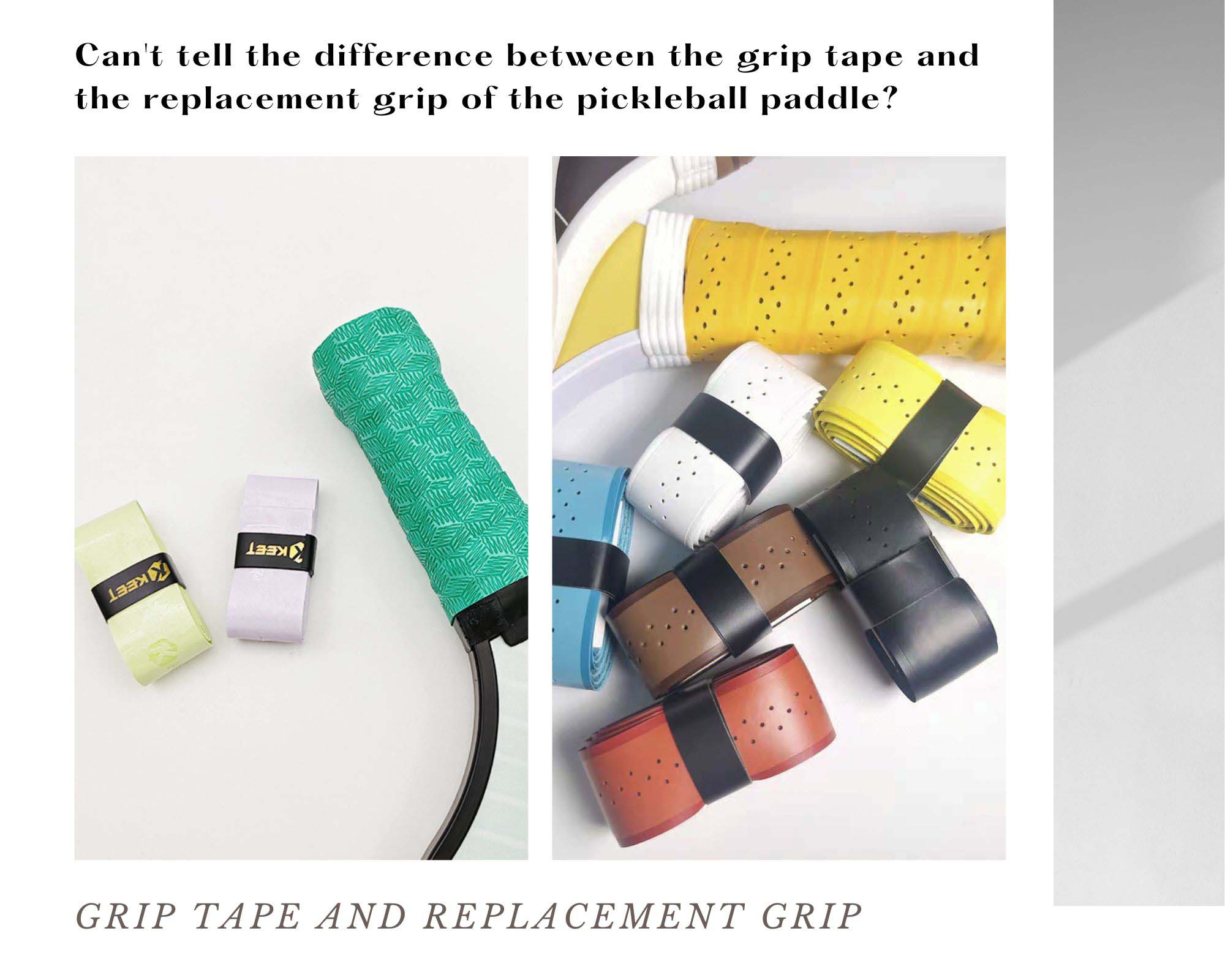
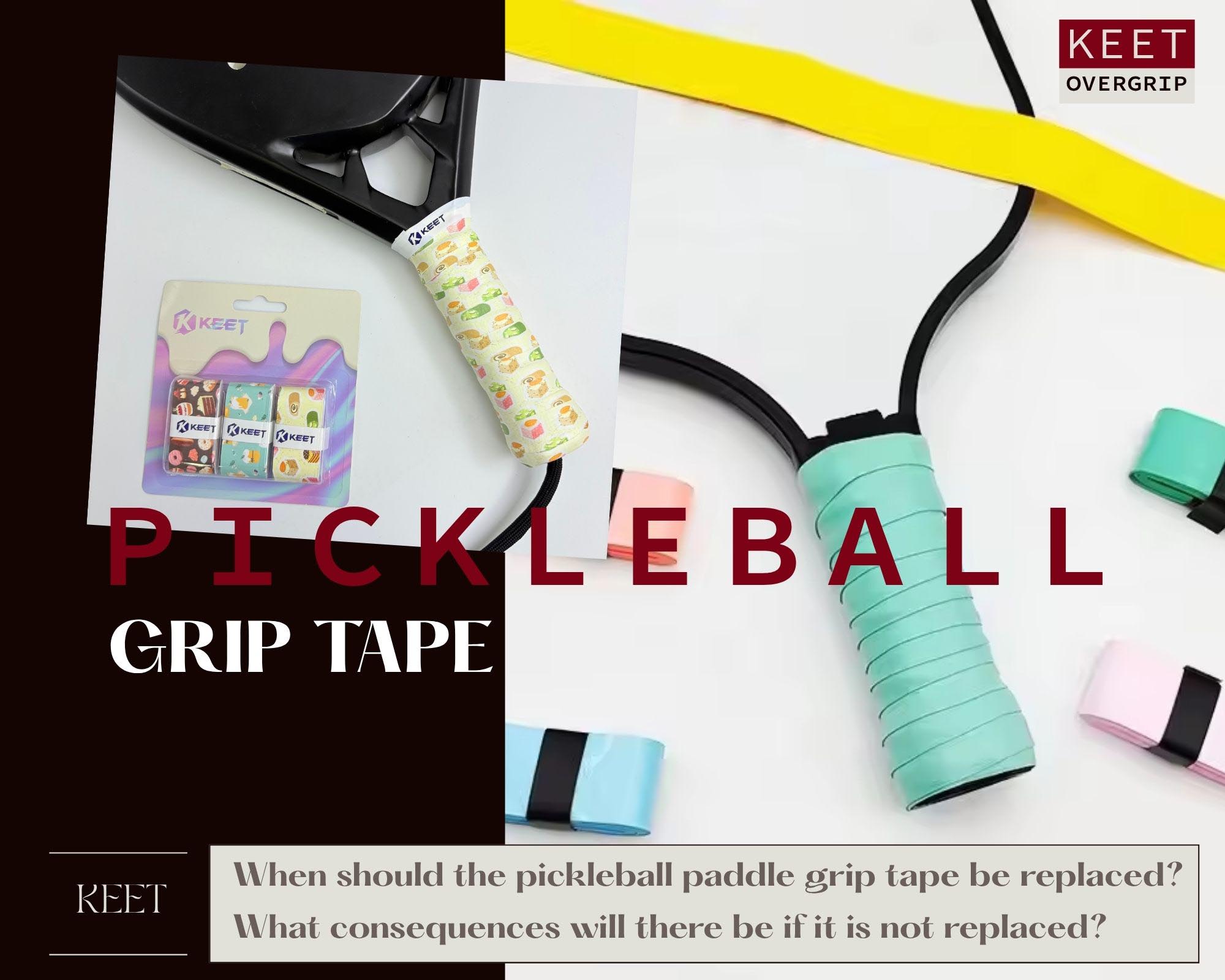
    Pickleball paddle grip tape serves as the direct contact layer between the paddle and the palm, with its thickness often perceived by novice players as a "shortcut" to improving grip. However, a thicker grip tape is not necessarily superior—this conclusion requires a comprehensive evaluation based on shot stability, ball control precision, comfort, and individual technical characteristics. 1. Excessive thickness weakens shot feedback The thickness of a pickleball paddle's grip tape directly influences vibration transmission upon ball contact. A thinner grip tape more accurately conveys the collision sensation between the ball and paddle surface, enabling players to quickly assess whether their shot placement is precise. Conversely, an overly thick grip tape absorbs excessive vibrations, making it difficult for players to judge force direction and intensity through tactile feedback. This is particularly problematic during delicate net-front volleys or drop shots, where the thick cushioning layer can act as an invisible barrier, reducing control precision. 2. Trade-offs between grip stability and fatigue risk While a thick grip tape enhances grip stability by increasing friction, an excessive pursuit of thickness may backfire. First, an overly thick grip tape alters the paddle's original balance point, making the head heavier and compromising swing speed and maneuverability. Second, prolonged use of a thick grip tape can lead to over-tightening of palm muscles, accelerating hand fatigue during sustained high-intensity play and potentially causing sports injuries such as tendinitis. 3. Technical style dictates suitability Grip tape thickness should align with a player's technical traits. Power-oriented players may prefer thinner overgrips to maximize shot feedback and control ball trajectory through self-generated force. In contrast, beginners or players with weaker wrist strength may benefit from the shock absorption of thicker grip tape, reducing discomfort from mis-hits. Additionally, environmental factors cannot be overlooked—in hot, humid conditions, thick grip tape absorb sweat and become slippery, whereas thinner grip tape paired with anti-slip powder prove more practical. There is no universal standard for grip tape thickness in pickleball paddles, but the misconception that "thicker is always better" warrants caution. Players should strike a balance between shot feedback, grip stability, and comfort based on their technical needs, grip habits, and usage scenarios. For most players, a moderately thick overgrip meets daily training demands while avoiding sacrificing technical performance for excessive thickness.
  • Why is it necessary to regularly replace tennis grip tape?
    Why is it necessary to regularly replace tennis grip tape? Jan 29, 2026
    In the world of tennis, every detail can potentially be a critical factor influencing the outcome of a match. From the material of the racket, the tension of the strings, to the degree of wear and tear on the tennis balls, every aspect receives significant attention from players. However, there is one often-overlooked yet crucial detail: tennis grip tape. Regularly replacing tennis grip tape plays a non-negligible role in enhancing athletic performance, ensuring sports safety, and extending the lifespan of the racket. Tennis grip tape, as the direct contact layer between the player and the racket, undertakes the important task of absorbing sweat. During intense tennis matches, players sweat profusely, with their hands continuously secreting a large amount of perspiration. If this sweat is not promptly absorbed, it can significantly reduce the stability of the racket's grip. Imagine, during a crucial point contest, losing the racket or making a hitting error due to a slippery hand—how frustrating that would be. Regularly replacing the grip tape with new one, with its excellent sweat-absorbing properties, can swiftly absorb and disperse sweat, keeping the palm and the racket dry. This allows players to firmly grasp the racket at all times, precisely controlling the force and direction of each shot. In addition to absorbing sweat, increasing friction is also one of the core functions of grip tape. As the usage time increases, the surface of the grip tape gradually becomes smooth, with the original anti-slip texture worn away. This is akin to walking on a slippery ice surface; without sufficient friction, the racket is prone to slipping in the player's hand during rapid swings, directional changes, or powerful shots. This not only affects the hitting effect but may also lead to injuries to the wrist, arm, and other areas due to sudden loss of control. Regularly replacing the grip tape ensures that there is always sufficient friction between the racket and the palm, providing players with a stable grip, reducing the risk of injury, and allowing them to confidently showcase their skills on the court. From a hygiene perspective, regularly replacing grip tape is also highly necessary. Tennis grip tape is constantly exposed to a damp, sweaty environment, providing an ideal breeding ground for bacteria and fungi. These microorganisms multiply in large numbers on the grip tape, not only producing unpleasant odors but also potentially causing skin allergies, infections, and other issues. Especially for players with sensitive hand skin, using unclean grip tape may lead to uncomfortable symptoms such as red spots, itching, and peeling on the hands, seriously affecting the comfort and health of the sport. Regularly replacing the grip tape can effectively prevent the proliferation of bacteria and fungi, maintaining hand cleanliness and health, and allowing players to enjoy tennis without worrying about hygiene issues. Furthermore, regularly replacing grip tape also has a positive impact on extending the lifespan of the tennis racket. When the grip tape ages and loses its elasticity, its protective effect on the racket handle significantly diminishes. During frequent hitting, the handle is subjected to various forces. Without the effective cushioning and protection of the grip tape, the handle is prone to wear, deformation, and even cracking. In contrast, new grip tape has good elasticity and fit, evenly distributing the forces borne by the handle and reducing damage to it, thereby extending the lifespan of the racket and saving players the cost of replacing rackets. Although tennis grip tape is just a small component of tennis equipment, its role should not be underestimated. Regularly replacing tennis grip tape not only enhances players' athletic performance and ensures sports safety but also maintains hand hygiene and extends the lifespan of the racket. Therefore, every tennis enthusiast should pay attention to replacing the grip tape, allowing this small detail to become a powerful aid in achieving excellent results on the court.
  • What functions does bicycle handlebar tape have?
    What functions does bicycle handlebar tape have? Jan 24, 2026
    Among the numerous components of a bicycle, handlebar tape is often easily overlooked. It does not form the main framework of the bicycle like the frame, nor does it directly determine the speed and direction of travel like the wheels. However, this seemingly insignificant piece of equipment plays a crucial role during cycling, providing all-around support and protection for cyclists. I. Shock Absorption and Providing Comfort At the most fundamental level, bicycle handlebar tape is a key factor for comfortable riding. When we step onto a bicycle and grip the handlebars, the tape becomes the part that directly contacts our palms. Its material and design directly influence how our hands feel during cycling. High-quality bicycle handlebar tape is usually made of soft and elastic materials. These materials can effectively absorb the vibrations transmitted from the handlebars during cycling, whether it's the high-frequency vibrations from bumpy roads or the impacts from passing over potholes. This is akin to putting a soft protective sleeve on our hands, greatly reducing the fatigue caused by prolonged contact with the hard handlebars. With the care of the handlebar tape, cyclists can hold the handlebars more easily and enjoy the pleasure of cycling, remaining comfortable even when facing complex road conditions. II. Enhancing Grip In addition to providing comfort, bicycle handlebar tape also shoulders the important task of enhancing grip. During cycling, we need to perform various operations on the handlebars according to different road conditions and riding requirements, such as turning, accelerating, and braking. This requires us to be able to hold the handlebars firmly to ensure precise control over the bicycle's direction and speed under any circumstances. The surface of the handlebar tape features special texture designs that increase the friction between the hands and the tape. Even when our hands are sweaty or the road is slippery in rainy weather, it allows cyclists to hold the handlebars tightly, preventing accidents caused by hand slippage. For example, in intense competitive cycling, cyclists need to frequently make high-speed turns and emergency stops, placing extremely high demands on the grip of the handlebar tape. A high-quality bicycle handlebar tape enables cyclists to still control the handlebars stably during high-speed riding, perform various precise movements, and give their best competitive performance. III. Sweat Absorption and Anti-slip Bicycle handlebar tape also has a certain sweat-absorbing function. Cycling is a sport that easily causes sweating, especially in hot weather or during high-intensity riding, when sweat is continuously secreted from our hands. If the surface of the handlebars is smooth and non-sweat-absorbing, sweat will form a slippery layer between the palms and the handlebars, seriously affecting the stability of the grip. The sweat-absorbing material of the handlebar tape can quickly absorb the sweat from our hands, keeping the area between the palms and the tape dry. This not only improves the comfort of the grip but also further enhances its safety. At the same time, the sweat-absorbed bicycle handlebar tape does not become sticky due to moisture and still maintains a good tactile feel, allowing cyclists to feel dry and comfortable throughout the entire ride. IV. Personalized Aesthetics From an aesthetic perspective, bicycle handlebar tape is also an important element for enhancing the overall appearance of a bicycle. Nowadays, the bicycle handlebar tape market offers a wide range of colors and styles. Cyclists can choose tapes with different colors and patterns according to their preferences and the overall style of their bicycles. Whether it's a simple solid-color tape or a personalized printed tape, it can add a unique charm to the bicycle. For some cyclists who pursue individuality and fashion, handlebar tape is like a fashion accessory for the bicycle. Through careful selection and matching, it can make the bicycle stand out among many others, showcasing the cyclist's unique taste and style. Although bicycle handlebar tape may seem insignificant, it plays an indispensable role in cycling. From providing comfort, enhancing grip, absorbing sweat and preventing slippage to improving aesthetics, each function is closely centered around the needs of cyclists, safeguarding their safety and comfort during the ride.
  • How often should baseball bat grip tape be replaced to ensure safety?
    How often should baseball bat grip tape be replaced to ensure safety? Jan 22, 2026
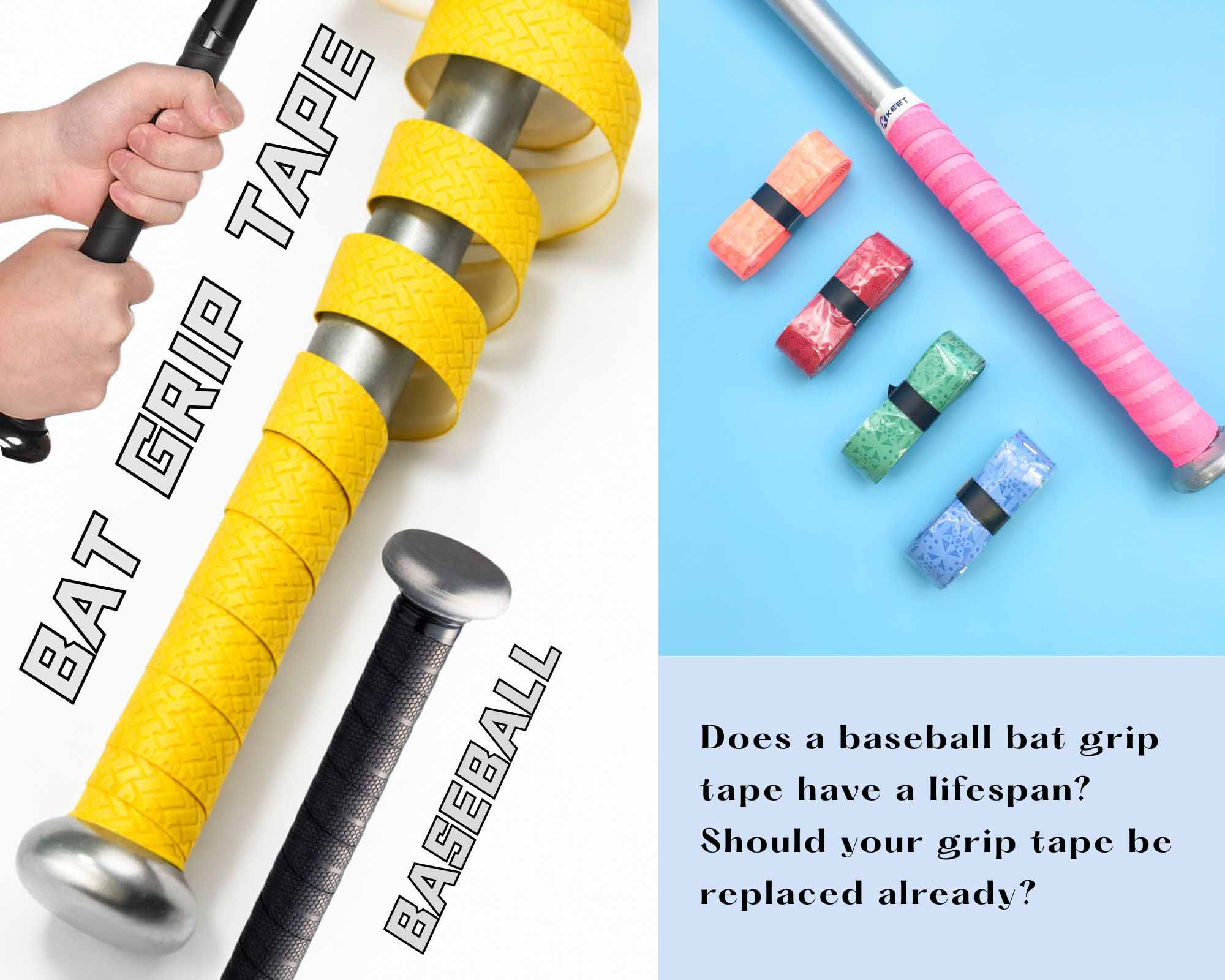
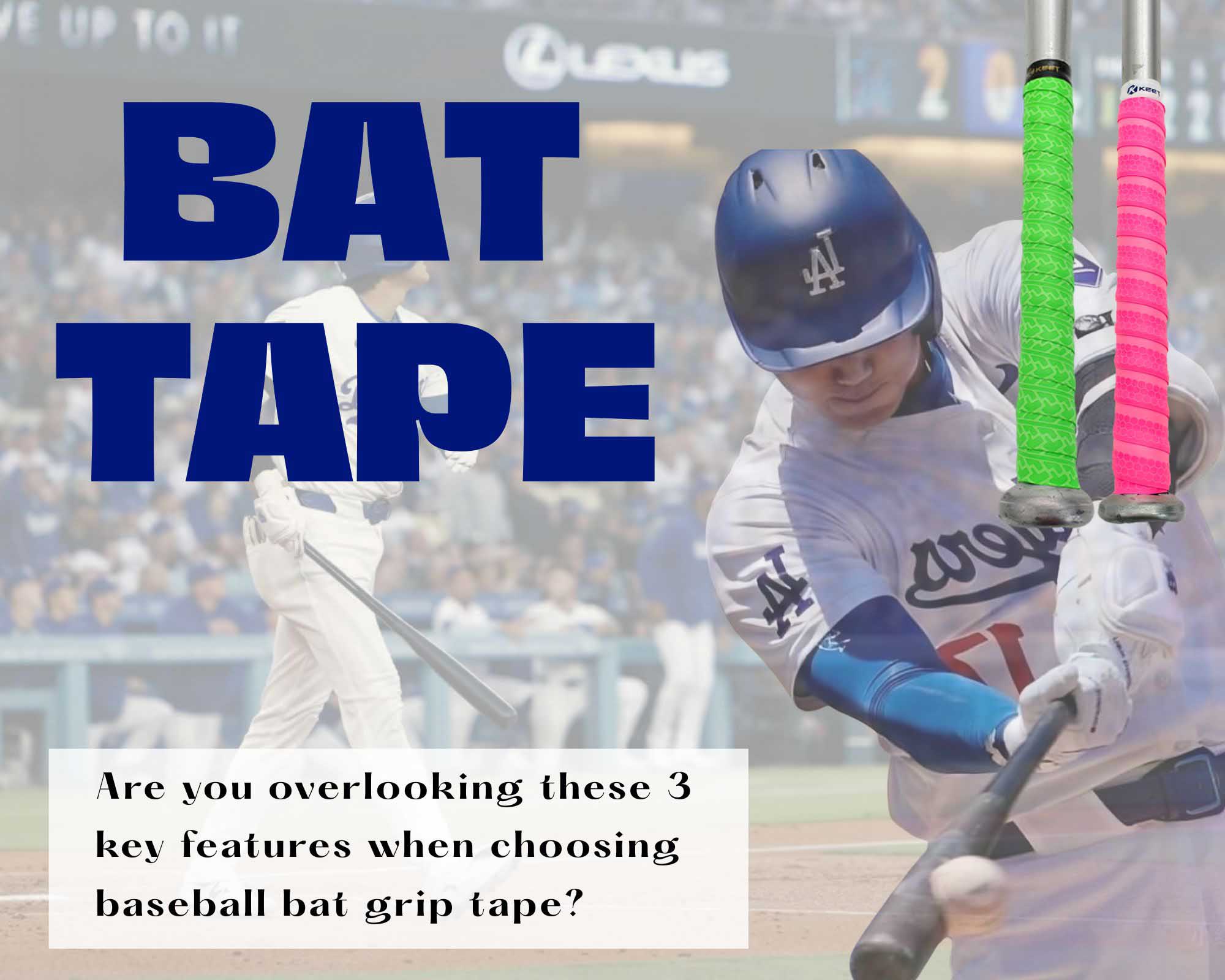
    In baseball games, a perfect swing often hinges on a player's nuanced control over their equipment. However, when discussing the key factors affecting performance, few people immediately think of baseball bat grip tape—the tape wrapped around the bat that actually serves as the "lifeline" connecting the player to their gear. If the grip tape ages, wears out, or loses its stickiness, the consequences can be far more severe than imagined: dropping the bat, slipping, vibration-induced injuries... or even directly leading to a game loss. So, just how important is it to replace baseball bat grip tape regularly? And why is its importance underestimated? Aging grip tape: From an "invisible helper" to a "time bomb". The primary functions of baseball bat grip tape are to provide slip resistance, absorb sweat, and reduce vibration. Newly wrapped grip tape has a clear surface texture that firmly grips the palm, maintaining friction even when soaked with sweat. It also cushions the reaction force when hitting the ball, protecting the hand muscles and joints. However, as the number of uses increases, the grip tape gradually "fails": first, surface wear causes a sharp decline in slip resistance; second, sweat absorption capacity becomes saturated, and after prolonged use, the grip tape becomes sticky or hardens; finally, loss of elasticity means vibrations from hitting the ball are directly transmitted to the arm, increasing the risk of injury. Replacement cycle: No uniform standard, but with scientific logic. The frequency of grip tape replacement is not fixed, it depends on usage intensity, environmental conditions, and player habits. For professional players, due to extremely high training and competition density, grip tape may be replaced after every game. For amateur enthusiasts, if training three times a week, it is recommended to replace it every 2-3 weeks; if only occasionally playing for fun, a monthly check is sufficient. Regardless of the grip tape's material, regular inspection is crucial. If the surface appears shiny, hardens, or develops cracks, it should be replaced immediately, even if the theoretical replacement cycle has not been reached. The cost of ignoring replacement: From performance decline to health risks. In the short term, old grip tape directly drags down game performance. Reduced slip resistance can cause the bat to rotate during a swing, affecting the accuracy of the hitting point. More dangerously, the loss of vibration reduction function puts greater stress on the arm, and long-term neglect may trigger tendinitis, carpal tunnel syndrome, and other occupational injuries. In the long term, "making do" with old grip tape creates a vicious cycle of technical deformation and increased hand fatigue. Such hidden injuries often break out  concentratedly in the middle of the season, trapping players in a dilemma of "playing more, getting more tired; getting more tired, being more prone to injury." Baseball is a sport that is extremely demanding on details. From the bat's balance point to the pitcher's ball trajectory, from the batter's stance to the base runner's starting timing, every aspect can be a key to victory or defeat. And baseball bat grip tape, this seemingly insignificant accessory, is actually a crucial connection between the player and their equipment. Regularly replacing grip tape is not only a responsibility for game performance but also a protection for one's own health.
  • What are the functions of golf grip tape?
    What are the functions of golf grip tape? Jan 21, 2026
    Golf club is the core tool for hitting the ball, while grip tape serves as an invisible bridge connecting the player's hands to the club. Though seemingly inconspicuous, it performs multiple critical functions that directly influence swing stability, comfort, and overall performance. From anti-slip and shock absorption to enhancing grip feel, golf grip tape plays a role throughout every shot, becoming indispensable equipment for both professionals and amateurs. Anti-Slip Stability to Prevent Club Slippage Sweaty hands are common in golf, especially in hot weather or under stress, where a slippery grip can directly cause the club to slip or deviate from the intended swing path. Grip tape features specially designed surface textures, such as granular, honeycomb, or embossed patterns, that significantly increase friction. This anti-slip property enhances shot precision while reducing the risk of sports injuries caused by club slippage. Shock Absorption to Protect Hand Joints The collision between club and ball generates intense vibrations that travel through the shaft to the palms and wrists. Prolonged repetitive impact can lead to occupational injuries like tendinitis. Grip tape, with its excellent elasticity and shock-absorbing properties, disperses impact forces like a cushion, reducing vibration amplitude by 30% to 50%. This alleviates strain on hand muscles and joints, making it a vital safeguard against injury for players who practice frequently. Optimized Grip Feel to Enhance Swing Control Hand size and grip preferences vary among players, making standard golf club insufficient for personalized needs. Grip tape allows customization in thickness, firmness, and surface texture, enabling players to adjust grip diameter according to their characteristics. For example, players with larger hands may layer multiple grip tapes to increase grip thickness and prevent shallow holds, while those seeking tactile feedback might choose ultra-thin grip tape for direct club head sensation. This tailored grip tape helps build muscle memory, making swings smoother and more natural—particularly crucial during precision-demanding putting strokes. Enhanced Comfort to Boost Confidence Golf demands high mental focus, where even minor discomfort can disrupt performance. Soft, form-fitting grip tape reduces friction between hands and shaft, preventing blisters or calluses from prolonged gripping. When players feel comfortable, their attention remains on technique rather than slippage or pain. This psychological reassurance often translates to steadier performance, with grip tape's sense of security potentially deciding outcomes during critical shots. Cost-Effectiveness to Extend Club Lifespan Replacing entire golf club is costly and labor-intensive compared to changing grip tape, which is affordable and easy to apply. Players can regularly update tape based on wear, maintaining peak performance while avoiding swing inconsistencies from aged grips. Additionally, grip tape acts as a protective layer, minimizing scratches or stains from direct contact and preserving the club's appearance. From anti-slip and shock absorption to psychological empowerment, golf grip tape's functions far exceed mere decoration. It serves as both a physical support for technical execution and a trust-building medium between player and club. Whether aiming for professional success or enjoying recreational play, selecting the right grip tape enables more confident, precise swings, ultimately enhancing joy and achievement on the green.
  • What customization services are available for tennis grip tape in KEET?
    What customization services are available for tennis grip tape in KEET? Jan 17, 2026
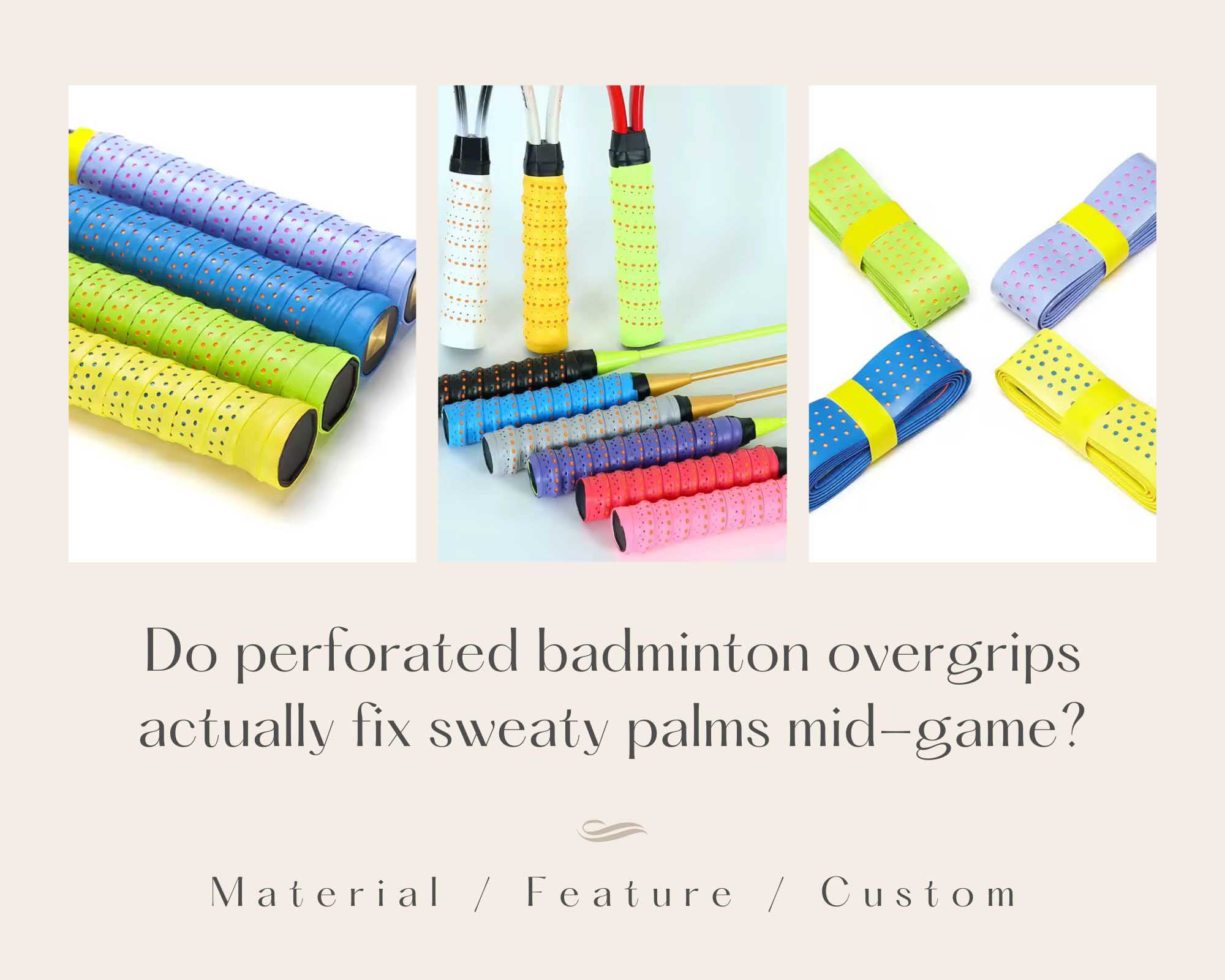
    Tennis grip tapes are not just practical gear for anti-slip and sweat absorption—they also serve as a medium for players to express their personality and convey their attitude. Whether it's the meticulous attention to detail demanded by professional athletes or the desire for a unique style among amateur enthusiasts, customized grip tapes are becoming an increasingly popular choice. As a brand dedicated to custom sports equipment, KEET leverages innovative technology and design expertise to offer tennis lovers a comprehensive range of overgrip customization services, spanning functionality to aesthetics, ensuring every overgrip becomes your exclusive gear. Grip Craftsmanship: Perforated for breathability or smooth for a seamless fit. The craftsmanship of a grip tape directly impacts its feel and practicality. KEET provides two core options: perforated design and smooth design. Perforated grip tapes feature evenly distributed micro-holes created through punching technology, which accelerate sweat evaporation to keep palms dry while reducing the overgrip's overall weight—ideal for high-temperature environments or players prone to sweating. In contrast, smooth overgrips utilize high-density polyurethane material with a fine, hole-free surface, offering a more uniform friction distribution, particularly suited for players prioritizing precise ball control. Both craftsmanship methods undergo rigorous laboratory testing to ensure a balance of anti-slip performance, durability, and comfort. Color Customization: A visual revolution from classic to trendsetting. Color is the most intuitive way to personalize a grip tape. KEET breaks free from the traditional "black or white" limitations by offering customization across the entire Pantone color spectrum. Whether you prefer understated matte black, vibrant neon green, or a coordinated color scheme that matches your racket strings and apparel, clients have the freedom to choose. Additionally, KEET introduces gradient technology, using multi-color layering and blending to create dynamic visual effects—from dark to light or cool to warm tones—adding an artistic touch to your equipment. Logo Embossing: The perfect fusion of brand identity and personal mark. For teams, clubs, or brands, overgrips serve as a mobile promotional tool. KEET's 3D embossing technology precisely embeds logos onto the overgrip surface, ensuring sharp, wear-resistant patterns that elevate overgrip quality. This not only enhances brand visibility but also becomes a lucky charm for players. Pattern Customization: Showcasing artistry and design. While color and logo customization form the foundation, pattern customization takes personalization to the next level. KEET supports high-precision pattern printing, allowing geometric lines, textures, or even clients's favorite pets or desserts to be reproduced 1:1 on the overgrip surface, infusing the user with greater motivation and energy. KEET's Customization Process: Seamless integration from concept to reality. To ensure a convenient and efficient customization experience, KEET has optimized its full-service workflow. You can provide detailed customization requirements, preferences, and delivery deadlines when contacting our staff. We will produce samples according to your requirements, allowing you to inspect samples for compliance with your expectations before proceeding with mass production. With our in-house factory, the entire production process is fully controlled, guaranteeing quality and reliability you can trust. In an era where tennis equipment is increasingly homogenized, a customized overgrip is not just a functional extension—it's a declaration of your attitude and taste. KEET uses technology as its brush and creativity as its ink, transforming every overgrip into a one-of-a-kind masterpiece that fills every swing with personality and power. Whether you're a professional athlete pursuing peak performance or an amateur enthusiast eager to express yourself, KEET's customization services will craft a tennis identity uniquely yours.
  • How to choose high-quality pickleball?
    How to choose high-quality pickleball? Jan 15, 2026
    Pickleball, as an emerging sport that combines elements of tennis, badminton and table tennis, has rapidly gained popularity worldwide in recent years. Whether in professional competitions or for daily entertainment, a high-quality pickleball can significantly enhance the sports experience. However, in the face of the wide range of products available on the market, how can one select the truly suitable pickleball that meets one's needs? The key lies in focusing on its core performance: elasticity, durability and surface craftsmanship. High-quality pickleballs typically possess three major advantages. Firstly, good elasticity is the foundation. It ensures that the ball quickly returns to its original shape after impact, maintaining a stable flight trajectory. Secondly, high durability. It means that the ball can reduce wear and tear under high-speed impacts, extend its lifespan, and avoid frequent replacements. Finally, high-quality pickleballs have a smooth and uniform surface without bubbles or cracks. This not only reduces air resistance but also minimizes energy loss when in contact with the racket, making the shots more accurate. By mastering these three points, one can quickly identify pickleballs with excellent performance. The requirements for pickleball in indoor and outdoor environments are completely different, which leads to significant differences in ball design. Indoor balls are usually lighter and have a smoother surface. This design reduces friction with wooden floors or smooth cement surfaces, allowing for faster ball speed and more regular rebound, making them suitable for venues that require precise control. On the other hand, outdoor balls are heavier and have a rougher surface. The rough texture enhances the ball's grip on complex environment such as grass or sand, preventing flight trajectory deviations due to uneven ground, and the heavier ball also better resists wind interference, ensuring stability in open environments. Therefore, when choosing, it is necessary to clearly define the requirements based on the usage scenario: for indoor entertainment, select lightweight and smooth models; for outdoor competitions, pay attention to weight and surface anti-slip properties. The demand for pickleball balls varies significantly among players of different skill levels. For beginners, a ball with moderate elasticity and easy control is the ideal choice. Such balls usually have a slower flight speed and an appropriate rebound height, which can help beginners quickly master the force and angle of their shots, reduce errors caused by overly fast ball speed or abnormal rebounds, and build confidence in the sport. However, experts or professional players are more suitable for professional-grade pickleball balls with faster speed and stronger spin. These balls are made of high-density materials and have a higher elasticity coefficient, which can generate stronger rotation during high-speed impacts, meet the needs of advanced techniques such as smashes and cuts, and help players break through technical barriers in competitions. From core performance to usage scenarios, and even to the level of players, selecting a pickleball requires considering multiple factors comprehensively. A high-quality pickleball is not only a tool for the sport but also a partner to enhance skills and enjoy the fun. Whether you are a beginner or an expert, simply match the corresponding characteristics according to your own needs, and you will find the perfect partner that suits you best.
1 2 3 4 5 6 7 8 9 10
A total of10pages
Subscribe to News

Please Read On, Stay Posted, Subscribe, And We Welcome You To Tell Us What You Think.

submit

Connect With Us

t f i s t y

leave a message

leave a message
If you are interested in our products and want to know more details,please leave a message here,we will reply you as soon as we can.
submit

home

products

WhatsApp

Contact Us