Custom matte pickleball grip tape
Home

Sweat-absorbent Tennis Grip Tape

Sweat-absorbent Tennis Grip Tape

  • Does the pursuit of personalization affect the functionality of grip tapes?
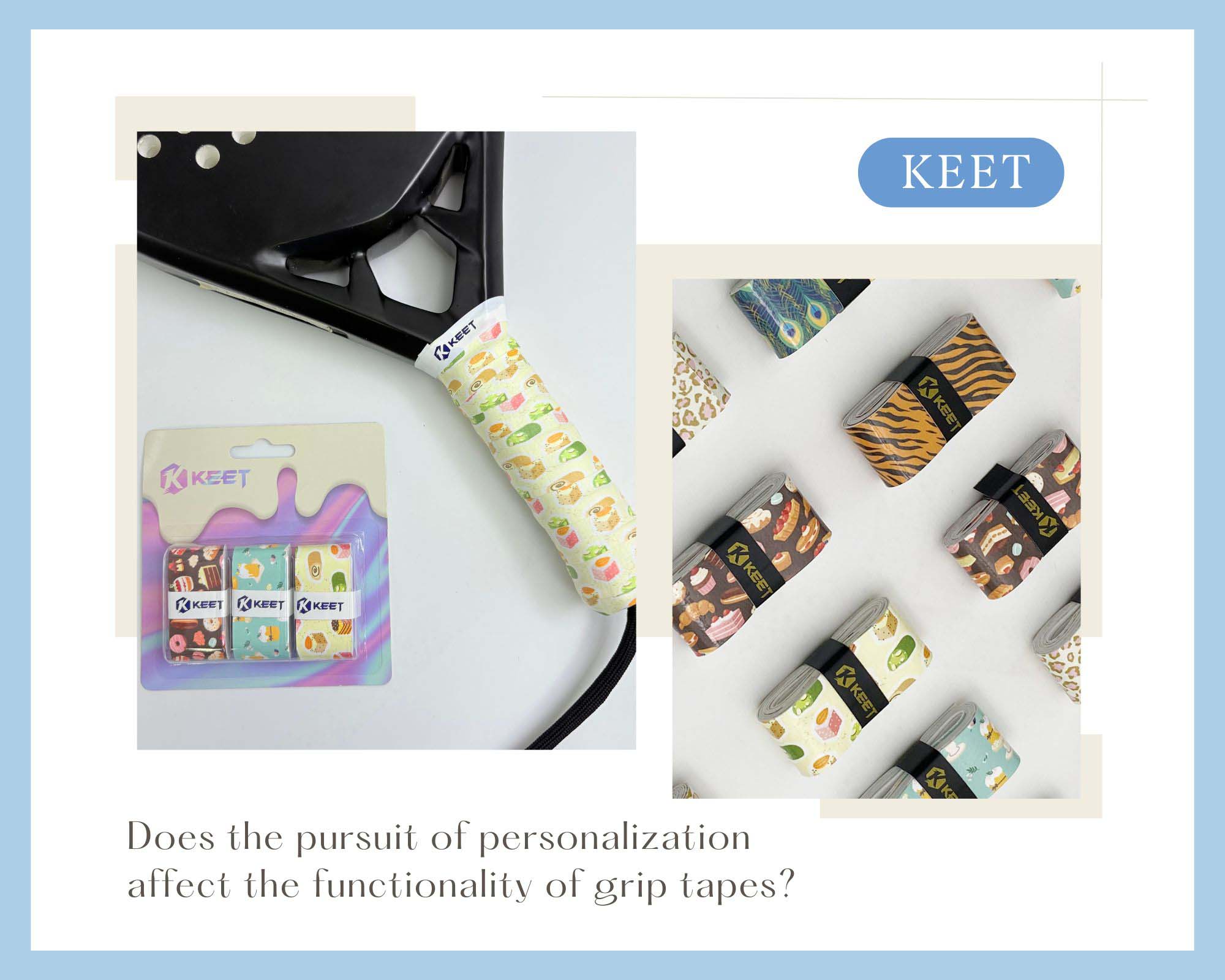
    Does the pursuit of personalization affect the functionality of grip tapes? Nov 26, 2025
    As an essential piece of sports equipment for rackets, the core functions of grip tapes have always centered on enhancing athletic performance through features such as anti-slip properties, sweat absorption, and shock absorption. However, with consumer upgrades and the younger generation's desire for self-expression, the demand for personalized grip tapes has shifted from the periphery to the mainstream—ranging from printed names and zodiac signs to team logos. Customized grip tapes have become a medium for athletes to showcase their attitudes and for brands to convey their values. Yet a question arises: as grip tapes are increasingly endowed with decorative attributes, will their functionality be compromised? The answer is no. Through technological innovation and design optimization, personalization and functionality can coexist seamlessly, allowing users to avoid compromising between "good looks" and "good performance." Bold customization demands are now being precisely met by the industry. The underlying logic of personalized design does not negate functionality but integrates it into a functional framework through technical means. Take printing processes as an example: traditional perceptions suggest that pattern printing might reduce surface friction due to ink coverage or impair sweat absorption due to material layering. However, modern high-precision printing technologies have broken through this bottleneck. Printed grip tapes not only maintain anti-slip performance but also enhance aesthetic appeal. Personalized design can fully endow grip tapes with greater visual value without sacrificing functionality. Material innovation has opened up broader possibilities for harmonizing functionality and individuality. In the past, grip tape material options were relatively limited, with the physical properties of EVA or PU defining their functional boundaries. Today, the application of composite materials has made customization feasible. By maintaining a high-elastic EVA core layer while adding materials like silicone to the surface, grip tapes can achieve three-dimensional relief patterns while reinforcing specific functions through material properties. From the perspective of user demand, the rise of personalized customization is inherently a result of the segmentation of sports scenarios. Professional athletes seek to distinguish between primary and secondary rackets, clubs require unified equipment to foster cohesion, and amateur enthusiasts crave uniqueness—these seemingly disparate needs all aim to enhance the sports experience through the integration of functionality and individuality. For instance, a professional tennis player customized grip tapes with distinct colors and patterns to differentiate between forehand and backhand rackets, preventing errors during matches. Such cases demonstrate that personalized customization does not conflict with functionality but instead presents it in a more vivid manner by precisely addressing user needs. From their origins as simple wraps designed to protect the hands to today's grip tapes integrating anti-slip, sweat absorption, shock absorption, and aesthetics, every evolution has affirmed the logic that "functionality is the foundation, and individuality is the extension." When technology is sufficiently advanced, personalization ceases to be a rival to functionality and instead becomes a catalyst for its rejuvenation. True personalized customization should be built on the foundation of functional assurance. Customers need not suppress their customization desires due to concerns about functionality, by selecting manufacturers with mature technology and reliable reputations, they can confidently submit requests—from pattern design and material selection to thickness adjustments and functional enhancements. KEET Factory Company's grip tape customization services now fulfill a diverse range of demands.
  • Is there a difference between tennis and pickleball paddle grip tape?
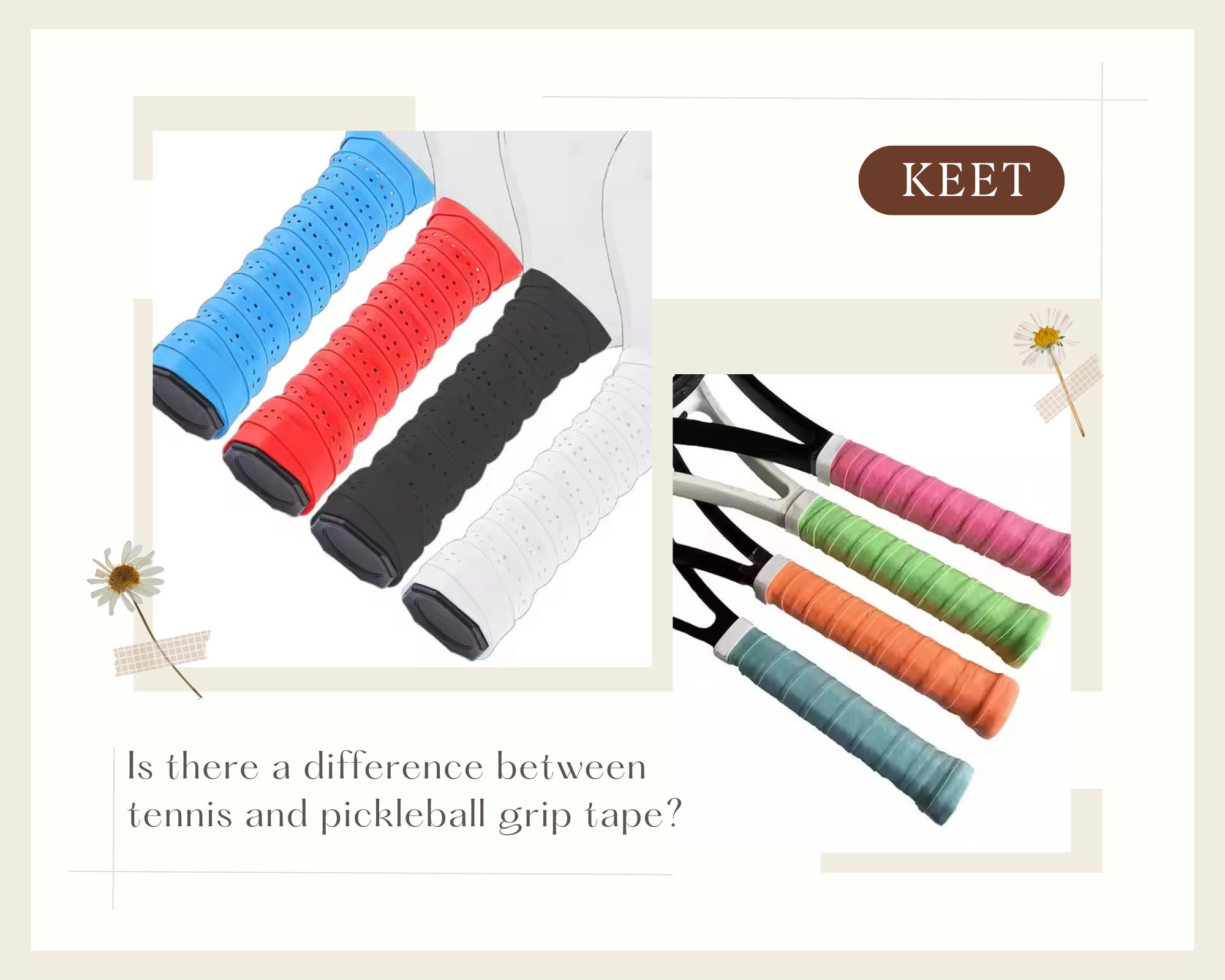
    Is there a difference between tennis and pickleball paddle grip tape? Aug 28, 2025
    At first glance, tennis and pickleball grip tapes might seem interchangeable—both are designed to enhance comfort, reduce slippage, and improve control during play. However, beneath their similar appearances lie distinct differences shaped by the unique demands of each sport. While there is some overlap in materials and functions, athletes and casual players alike should consider these nuances to optimize their performance and equipment longevity. The primary distinction lies in the thickness and texture of the grip tapes. Tennis rackets typically feature larger handles, allowing for thicker, more cushioned overgrips. Tennis grip tapes often prioritize shock absorption to counterbalance the high-impact forces generated by powerful swings and heavier balls. In contrast, pickleball paddles have smaller handles, requiring thinner, more tactile overgrips. Pickleball grip tapes tend to emphasize precision and feel, as the sport involves quicker, shorter strokes and frequent dinking at the net. A thicker overgrip on a pickleball paddle could reduce maneuverability, while a thinner tennis overgrip might lack the cushioning needed for prolonged play. Material composition also varies between the two sports. Tennis overgrips commonly incorporate synthetic polymers or leather for durability, as tennis players often generate significant friction and heat during rallies. These materials are engineered to withstand wear and tear while maintaining tackiness. Pickleball overgrips, frequently use lightweight, breathable fabrics or perforated designs to enhance airflow and moisture management. Since pickleball involves rapid hand movements and shorter matches, overgrips that stay dry and prevent blisters are prioritized. Some advanced pickleball grip tapes even integrate antimicrobial properties to combat sweat buildup, a feature less common in tennis grips. The environmental conditions in which each sport is played also influence grip tape design. Tennis is frequently played outdoors in varying climates, so overgrips are tested for resilience against humidity, rain, and extreme temperatures. Pickleball, while also played outdoors, is often associated with indoor courts, where humidity control and consistent temperatures reduce the need for ultra-durable materials. As a result, pickleball overgrips may prioritize comfort and grip enhancement over extreme weather resistance. Ultimately, while tennis and pickleball grip tapes share a common purpose, their differences reflect the sports distinct requirements. Players transitioning between the two should experiment with overgrip thickness, texture, and material to find what suits their style best. KEET, as a grip tape manufacturer is also responding to this crossover demand by creating overgrips that blend features from both sports, offering versatility without compromising performance. Whether you're a tennis enthusiast trying pickleball or vice versa, understanding these nuances can elevate your game.

Subscribe to News

Please Read On, Stay Posted, Subscribe, And We Welcome You To Tell Us What You Think.

submit

Connect With Us

t f i s t y

leave a message

leave a message
If you are interested in our products and want to know more details,please leave a message here,we will reply you as soon as we can.
submit

home

products

WhatsApp

Contact Us