Should different sports choose different functions of grip tape?
Mar 18, 2026
The details of sports equipment often determine the upper limit of performance. As a crucial connection between rackets, equipment, and the palm, the characteristics of grip tape directly influence grip stability, operational precision, and even the risk of sports injuries. Due to differences in force application patterns, equipment characteristics, and environmental conditions across various sports, the requirements for grip friction, sweat absorption, thickness, elasticity, and other attributes vary significantly. How to select the appropriate grip tape based on the type of sport has become an important topic for enhancing sports experience and competitive performance.
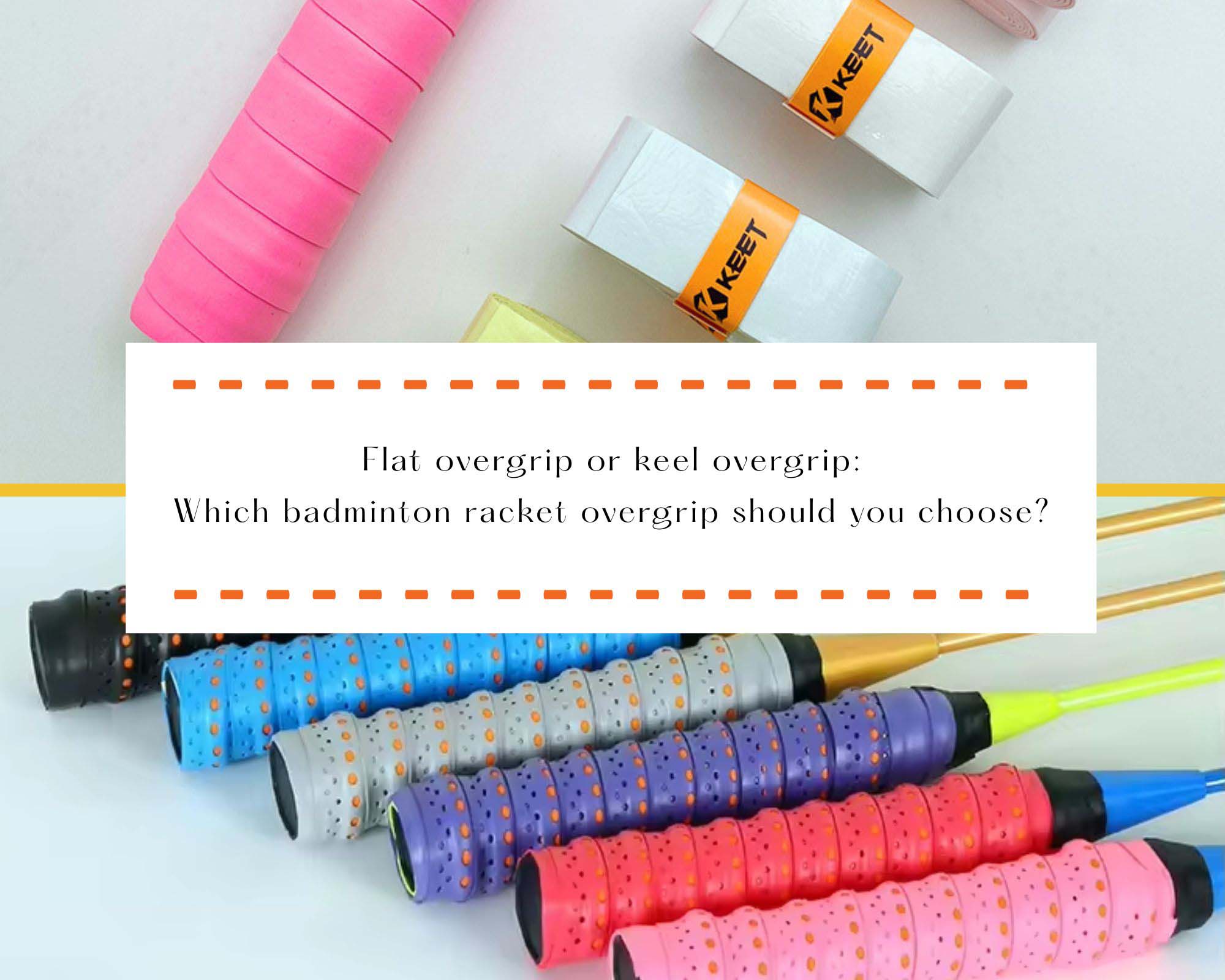
Racket sports such as badminton and tennis, characterized by high-frequency swings and rapid directional changes, impose extremely high demands on grip friction and sweat absorption. In badminton, actions like smashing and flat drives require instant force application. If the grip tape lacks sufficient slip resistance, the racket may slip out of hand due to sweat or rapid movement, leading to distorted movements or even injuries. Professional players often choose pu grip tapes, whose surfaces are covered with fine textures that enhance grip through physical friction. Meanwhile, their microporous structure rapidly absorbs sweat and spreads it to the surface for evaporation, keeping the palm dry. Tennis, with heavier rackets and broader swing ranges, places even higher demands on grip durability. Thicker grip tape can cushion vibrations, reducing the impact on the elbow joint from prolonged gripping, while reinforced edge designs prevent cracking caused by frequent friction.
Beyond racket sports, grip tapes are equally applicable in strength training and equipment-based fitness. Their core functions here are slip resistance and shock absorption. Metal equipment like barbells and dumbbells becomes extremely slippery when wet with sweat, making thick, high-friction grips essential. Silicone grip tapes are highly favored for their exceptional slip resistance and aging resistance. Their surfaces are typically designed with diamond or wave patterns to increase contact area and enhance friction, while effectively dispersing pressure to prevent calluses or joint strain from prolonged training. For exercises requiring frequent grip changes (e.g., deadlifts, pull-ups), wrap-around grip tapes can adjust thickness through multiple layers, accommodating different hand shapes and force application needs.
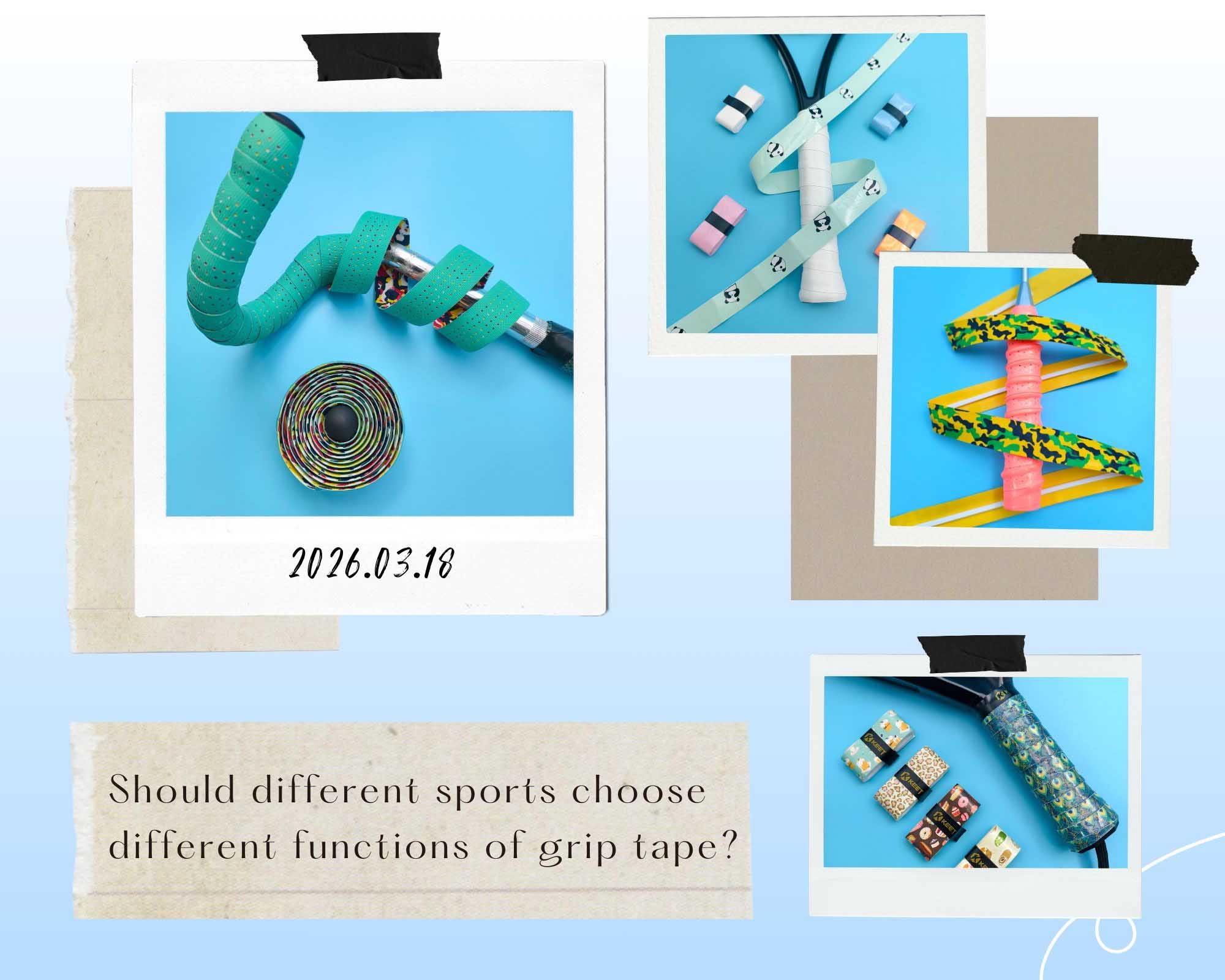
Outdoor sports such as hiking and cycling require grip tapes that balance slip resistance, durability, and environmental adaptability. Hiking pole grip tapes must be highly wear-resistant to withstand scrapes from rocks and branches while maintaining flexibility in low temperatures to prevent unstable gripping due to material hardening. Bicycle handlebar tapes need to balance slip resistance and breathability, as prolonged gripping can cause palm heat and sweating. Thus, they often feature perforated designs or breathable mesh layers, combined with slightly raised particle surfaces, to ensure friction while promoting air circulation.
From competitive arenas to fitness venues, grip tape selection always revolves around the characteristics of the sport. They are not merely simple tools for slip resistance and shock absorption but extensions of technical movements and protective barriers. Understanding the differentiated needs of various sports for grip tapes ensures that every grip becomes a precise transmission of force rather than a constraint on performance.




 Network Supported